Preparing Your Team for RISQS Audits: Training and Competency Tips
Introduction
Success in the UK rail industry requires more than just paperwork; it demands a culture of compliance and competency. As businesses prepare for the Railway Industry Supplier Qualification Scheme (RISQS) audits, ensuring your team is fully equipped has never been more important.
RISQS Audit Training
Training plays a vital role in helping organisations meet stringent industry standards. Proper training not only boosts confidence but also significantly increases the chances of passing the audit the first time around. This guide covers how to prepare your team effectively, what areas to focus on, and common pitfalls to avoid.

1. Why Team Preparation Matters for RISQS Audits
RISQS audits evaluate a company’s ability to meet specific safety, quality, and operational standards. While robust documentation is essential, auditors are equally interested in how well your team understands and applies these standards in practice.
Employees are expected to:
- Demonstrate a working knowledge of health and safety systems.
- Follow operational procedures correctly.
- Identify risks and understand reporting protocols.
- Show awareness of environmental responsibilities.
A well-trained workforce shows auditors that your company is not just compliant on paper but also in day-to-day operations. Investing in RISQS Audit Training lays the foundation for this.

2. Key Areas to Cover in RISQS Audit Training
Effective training programs should cover these core areas:
- Health, Safety, Environmental and Quality Systems
Every employee should be familiar with your company’s HSEQ protocols. Training should highlight the importance of implementation of these system arrangements. - Operational Procedures
Staff must understand the standard operating procedures (SOPs) relevant to their roles, including site operations, equipment handling, and emergency response protocols. - Risk Management and Reporting
Employees should know how to identify hazards and the correct channels for reporting them. Reinforce a no-blame culture that encourages open communication. - Environmental Responsibilities
Provide training on environmental policies, focusing on sustainability practices, waste management, and energy conservation initiatives.

3. Best Practices for Delivering Effective RISQS Audit Training
A successful training program is structured, engaging, and tailored to your business:
- Interactive Training Methods
Move beyond lectures—use workshops, case studies, simulations, and even mock audits to create an interactive experience. - Regular Refresher Courses
Make training a regular activity to ensure compliance knowledge stays current, especially when standards are updated. - Tailored Sessions by Role
Not every team member needs the same training depth. Tailor programs for different job functions—engineers, site workers, office staff. - Documentation and Sign-Off
Maintain detailed records of who has completed training. Auditors often request evidence of employee training and competency.
Practical Assessments
Conduct hands-on evaluations and knowledge tests to assess how well the training has been absorbed.
4. Building a Culture of Competency
Training should not be a tick-box exercise. Businesses must foster a culture where:
- Continuous learning is encouraged.
- Employees feel empowered to ask questions and identify gaps in their knowledge.
- Compliance and quality are seen as integral to the company’s values.
When competency is woven into daily operations, audit preparation becomes an ongoing practice rather than a last-minute scramble.

5. Common Mistakes to Avoid in RISQS Audit Training
Watch out for these pitfalls:
- Cramming Training Before an Audit
Training should be consistent and ongoing, not rushed a few weeks before the audit. - Focusing Only on Paperwork
Practical application matters. Employees need to know how to act, not just what’s written. - Overlooking Non-Permanent Staff
Contractors and temporary staff must be trained and documented.
Neglecting Training Updates
Keep training programs current with evolving standards and best practices.
6. How to Measure Training Effectiveness
- Audit Results
A successful audit with few or no non-conformances reflects effective training. - Post-Training Feedback
Gather insights from participants to improve future sessions. - Incident and Non-Conformance Rates
Monitor for improvements in safety and quality indicators post-training.
Regular review of these metrics ensures continuous improvement and readiness for future audits.

7. Partnering with Experts for RISQS Audit Training
Partnering with professional consultants can enhance internal training efforts. Specialists bring:
- Industry-specific expertise
- Up-to-date knowledge of audit trends
- Practical insights from previous audits
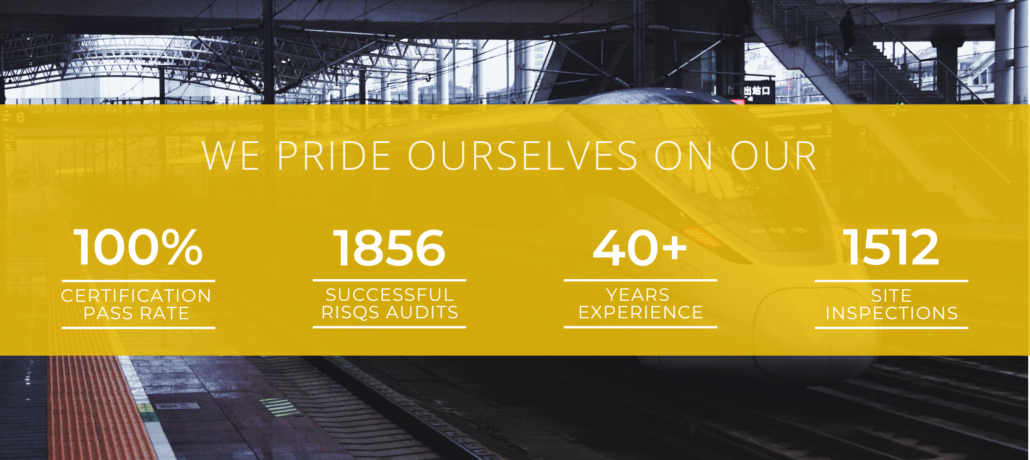
At Simpson Consultancy, we provide tailored guidance to support your RISQS audit readiness. Our services include assistance with audit preparation and understanding key protocols, ensuring your team is informed and confident throughout the process.
Conclusion
Preparing your team is a critical element of RISQS audit success. With a structured training program, regular refreshers, and a culture of continuous improvement, you’ll be positioned to meet—and exceed—industry expectations.
Invest in RISQS Audit Training today to strengthen your compliance capabilities and secure your position in the competitive UK rail industry.
Need Support?
Learn more about how Simpson Consultancy can assist with your RISQS Audit Training and preparation needs: https://simpsonconsultancy.co.uk/risqs-audit-preparation/
Ready to get started? Contact us today for a no-obligation consultation and let us help you achieve RISQS certification with confidence.

